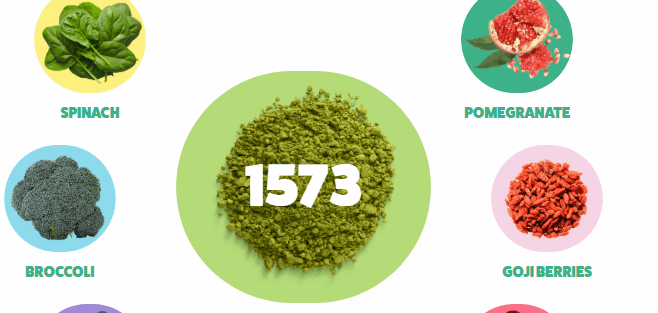
Sarah held a paper cup of impossibly green liquid on her flight home from Hong Kong. After years of late-night law work and caffeine crashes, matcha felt different—gentler, more grounded. In Japan, she and Nic had watched this powder treated like sacred ritual, not just a drink.
Back in Melbourne, they searched every supermarket shelf. Nothing.
The only supplier they found required a 10-kilogram minimum order. That ridiculous sack sitting on their kitchen bench became their lightbulb moment: if they couldn’t find good matcha easily, maybe thousands of other health-conscious professionals couldn’t either.
The Insight
Traditional functional ingredients can become modern lifestyle movements—not by changing the chemistry, but by changing the context.
Matcha Maiden didn’t rebrand a supplement. They created a playful personality that bridged ancient wisdom and Instagram culture. Their first “shelf” wasn’t a store aisle—it was a phone screen filled with bright green lattes, terrible tea puns, and customer selfies.
Why It Worked
1. Branded a companion, not a cure
Instead of clinical claims, they offered “gentler energy than coffee” and “more antioxidants than blueberries.” The same centuries-old powder became a lifestyle choice for people who wanted to feel better, not people who felt sick.
2. Diversified portfolios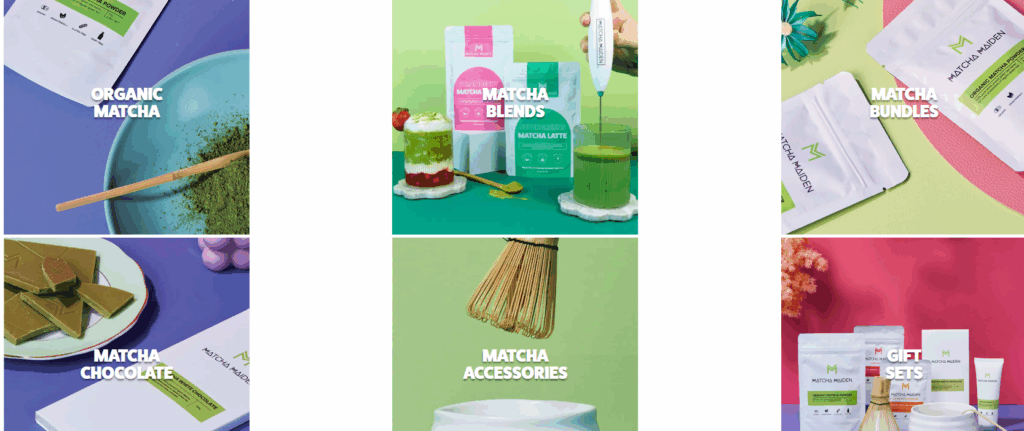
Not just tea—also smoothies, baking, face masks, turmeric blends. Every format became a new entry point for someone who’d never step into a health-food store. The community showed that matcha could be anywhere.
3. Customers tell the story
Social media turned education into celebration. People shared their own green creations, making an unfamiliar ingredient feel essential through authentic advocacy no advertising budget could buy.
So What?
The most powerful go-to-market strategy isn’t always finding something new—it’s recontextualizing something ancient. Honor the heritage, respect the science, then wrap it in a brand that speaks today’s language. Matcha didn’t become popular because its health properties changed. It became popular because two people changed how we see it.
Boundaryless Thinking triggers
Japanese traditional food in tea ceremony becomes a Superfood in Cafes
I would like to apply boundaryless thinking
with ideas on: product design, branding, marketing
which can be applied in: positioning, building a narrative
in areas like: IT, Telco, Healthcare
Reference
https://www.matchamaiden.com/